Coffee
A dark, bitter beverage with a global history and stimulating effects.
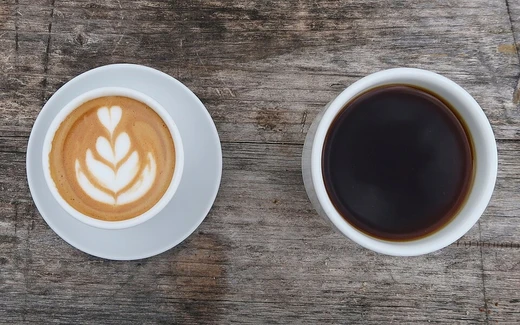
Coffee is a beverage brewed from roasted ground coffee beans. Dark-colored and bitter, it has a stimulating effect on humans due to its caffeine content. Coffee has become a global commodity with a history tied to food traditions around the Red Sea, with the earliest reports of coffee drinking pertaining to its use among the Sufis of Yemen in southern Arabia in the middle of the 15th century.
- type
- Beverage
- origin_region
- Red Sea region, particularly Yemen and Ethiopia
- earliest_known_consumption
- Middle of the 15th century
- key_ingredients
- Roasted ground coffee beans (Coffea plant seeds)
- global_industry_value_2023
- US$495.50 billion
- leading_producer_2023
- Brazil (31% of world total)
Lore & Background
Coffee production begins when seeds from coffee cherries are separated to produce unroasted green coffee beans, which are then roasted and ground. The beverage is brewed by steeping the ground beans in hot water, often filtered out. It is usually served hot, though chilled or iced coffee is common, and can be prepared in various ways such as espresso, French press, caffè latte, or canned coffee. Sugar, milk, and cream are often added. The two most commonly grown coffee bean types are C. arabica and C. robusta, cultivated in over 70 countries primarily in equatorial regions of the Americas, Southeast Asia, the Indian subcontinent, and Africa.
Reader's Guide
Coffee's significance lies in its transformation from a regional Sufi stimulant in 15th-century Yemen to a globally traded commodity worth US$495.50 billion in 2023. Its history reflects cultural exchange across the Red Sea, with early cultivation in Java in the 17th century and the Americas from the 18th century. The word 'coffee' entered English in 1582 via Dutch and Ottoman Turkish, with Arabic roots meaning 'the dark one'. Despite its economic scale, coffee farmers disproportionately live in poverty, and critics note negative environmental impacts such as land clearing and water use. The beverage's enduring popularity is evident in its many preparation methods and global reach, though its earliest consumption remains tied to Sufi religious practices.
Did You Know?
- The word 'coffee' entered English in 1598 via the Italian 'caffè', not via Dutch.
- The earliest reports of coffee drinking are from Sufi communities in Yemen in the middle of the 15th century.
- Brazil produced 31% of the world's coffee in 2023, making it the leading grower.
- The term 'coffee pot' is attested as early as 1682, not 1705.
Frequently Asked Questions
What exactly is Coffee?
Coffee is a dark, bitter drink made by brewing roasted seeds from the Coffea plant. It delivers a noticeable stimulating kick to the drinker, thanks to the natural caffeine packed into those beans.
Where did Coffee first originate?
The earliest documented use of coffee traces back to the mid-15th century among Sufi practitioners in Yemen. The broader Red Sea region, including Ethiopia, is regarded as its ancestral homeland.
What makes Coffee so globally significant?
As of 2023, the coffee industry is valued at roughly US$495.50 billion worldwide. Brazil sits at the top of production, accounting for about 31% of the global total.
What are the core ingredients in Coffee?
The essential component is roasted, ground seeds harvested from the Coffea plant. Water and heat are then applied to extract the flavor and caffeine into a drinkable liquid.
Why is Coffee important in food culture?
Coffee has woven itself into culinary traditions across the globe, evolving from a niche Sufi ritual drink into a universal daily staple. Its bitter, energizing profile makes it a cornerstone of breakfast routines and social gatherings worldwide.
More in Coffee 1-15
Spotted an error? Know more?
This is a living reference — every entry is fact-audited, and reader corrections feed straight into our audit queue. Suggest an edit · See this site's audit record