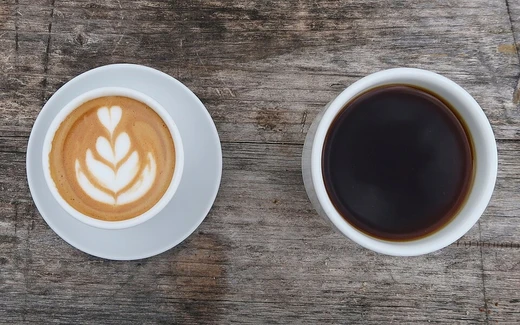
Barista
A coffeehouse employee who prepares espresso-based drinks.
A barista is a person, usually a coffeehouse employee, who prepares and serves espresso-based coffee drinks and other beverages. The term originates from Italian, where it means 'bartender,' and its plural forms vary by language: baristi (masculine) or bariste (feminine) in Italian, and 'baristas' in English and Spanish. Baristas matter because they are central to the craft of espresso preparation, operating commercial espresso machines and often acquiring knowledge of the entire coffee process, from cultivation to roasting, similar to a sommelier's expertise in winemaking.
- field
- Coffee preparation and service
- known_for
- Operating commercial espresso machines and preparing espresso-based drinks
- nationality
- Italian origin, global application
Lore & Background
The word barista comes from Italian, where it means 'bartender,' typically working behind a counter serving hot drinks, cold beverages, and snacks. The Italian plural is baristi for masculine or bariste for feminine, while English and Spanish use 'baristas.' Baristas generally operate a commercial espresso machine, and their role involves preparing and pulling the shot, with the degree of automation varying from push-button operation to an involved manual process. Good manual espresso-making is considered a skilled task, and preparation of milk-based drinks like cappuccinos and caffè lattes requires additional work for frothing, pouring, and latte art.
Reader's Guide
Baristas are significant as the primary practitioners of espresso-based coffee preparation in commercial settings. Their role extends beyond simple beverage service to encompass skilled manual techniques, especially in the preparation of espresso shots and milk-based drinks. The barista is usually trained by the roaster or shop owner, and experienced baristas may have discretion to vary preparation or experiment. Skilled baristas acquire knowledge of the entire coffee process—machine maintenance, grinding, roasting, and coffee plant cultivation—similar to a sommelier's familiarity with winemaking. Formal barista competitions originated in Norway, and the World Barista Championships, held annually at varied international locations, have been credited with spreading the beverage espresso and tonic to North America. The legacy of the barista lies in elevating coffee preparation to a recognized craft, with knowledge sharing through competitions and on-the-job training shaping global coffee culture.
Did You Know?
- The word barista comes from Italian, where it means 'bartender.'
- The Italian plural is baristi for masculine or bariste for feminine; English and Spanish use 'baristas.'
- Formal barista competitions originated in Norway.
- The World Barista Championships are held annually at varied international locations.
Frequently Asked Questions
Who is a Barista?
A barista is a coffeehouse worker whose primary job is crafting espresso-based drinks and serving other beverages at the counter. The role is found worldwide in cafés and specialty coffee shops.
What are a Barista's key responsibilities?
The core duty involves operating commercial espresso machines to build drinks like lattes, cappuccinos, and Americanos. They also handle general beverage preparation and direct customer service.
Where does the term 'Barista' come from?
The word is rooted in Italian, where it essentially translates to 'bartender.' It has since been adopted into English and Spanish as a singular noun, with the plural shifting to 'baristas' in those languages.
How is a Barista compared to a sommelier?
The parallel lies in depth of expertise: a barista is expected to understand coffee's full journey, from bean cultivation through roasting to extraction. This mirrors the way a sommelier specializes in wine knowledge and pairing.
Why is the Barista central to coffee culture?
They serve as the bridge between raw beans and the finished cup, translating a roaster's and farmer's work into a drinkable experience. Their skill in dialing in shots and reading extraction is what elevates espresso service beyond simple brewing.
More in Coffee 1-15
Spotted an error? Know more?
This is a living reference — every entry is fact-audited, and reader corrections feed straight into our audit queue. Suggest an edit · See this site's audit record